


Episode 46
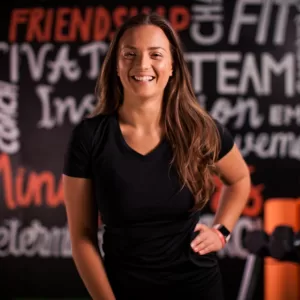
Emma Regan
'Building Strength and Resilience: Emma Regan on Women’s Wellness, Entrepreneurship, and Taking Risks'
Melody Moore sits down with Emma Regan, founder of The Nourishment Academy and Surrey Female Entrepreneurs, for a refreshingly open chat about the unconventional career path that’s shaped her into a force for women’s empowerment.
Emma shares the origins of The Nourishment Academy, a health and wellness studio built for women over 30, and the story behind Surrey Female Entrepreneurs which is a vibrant community that champions women in business. She reflects on her early lessons in resilience as a child of divorce, her entrepreneurial inspiration from watching her mother build a business, and how her corporate beginnings at The Guardian helped shape her love for sales and her unapologetic ambition.
We’ll hear about Emma’s transformative travels, building a business that thrives without her daily presence, and her commitment to helping women craft lives and bodies they truly love. She also unpacks the role of mindset in achieving personal and professional goals, the value of risk-taking, and her belief that success goes far beyond what we do for a living.
Whether you’re a budding entrepreneur, a health enthusiast, or simply someone looking for inspiration, Emma’s journey is filled with honesty, practical wisdom, and encouragement to live and lead with confidence and heart.
Transcript
Note that this transcript is automatically generated and we cannot guarantee 100% accuracy.
Emma Regan [00:00:00]:
Cliff looked at me and he went, Emma, why are you employed? What do you mean, why am I employed? Like, that’s the way you do it, right? You work your way up the ranks and you get your experience. And he said, I really just don’t think employment suits you. I really love to see women win and take charge and live the life that they want to live. And if I can use what I’ve learned to play a small part in that, then to help them to get out of their own way, then that makes my heart happy. It really does. When I realised that my self worth was tied up in just work, I realised that I didn’t really know who I was outside of work and therefore I went on a bit of a quest to find out, really.
Melody Moore [00:00:46]:
Welcome to the Secret Resume. I’m Melody Moore, leadership consultant, coach and endlessly curious human. For over 20 years, I’ve been helping leaders unlock potential in themselves, their teams and their organisations. Before we dive in, do you want to know how entrepreneurial your leadership really is? Why not try my Entrepreneurial Leadership Diagnostic? It takes just 10 minutes and gives you instant insights to grow your impact. You’ll find the link in the show notes. My guest today is Emma Regan. Emma, really excited to have you here with your beautiful picture behind you. Your top is also matching your picture.
Melody Moore [00:01:27]:
Was that deliberate?
Emma Regan [00:01:28]:
It actually wasn’t, no.
Melody Moore [00:01:32]:
So why don’t you tell us a little bit about yourself? Why don’t you introduce yourself first off?
Emma Regan [00:01:37]:
Yeah, absolutely. Thank you so much for having me on the podcast. It’s. It’s always fun to do something like this. So I’m Emma, I founded the Nourishment Academy almost six years ago now, which is a health and wellness studio for women over 30. And then I am also the owner of, Sorry, Female Entrepreneurs, which is a networking slash business coaching and consulting business for women in business. So all about women empowerment.
Melody Moore [00:02:09]:
And that’s how we met as I came along to one of your Surrey female Entrepreneurs. It sounds. I said to someone I was going to Surrey Female Entrepreneurs and they said, oh, that sounds fancy. It’s like it is.
Emma Regan [00:02:25]:
We have champagne and canopies.
Melody Moore [00:02:30]:
I’m just curious, actually. You said for your. The Nourishment Academy, that it’s for women over 30. Why did you choose that demographic?
Emma Regan [00:02:39]:
Yeah, so it was at a time before menopause was such a buzzword and I was kind of discovering it through family members and I was PT in at the, at the time and I just happened to be personal training people who were kind of in their 50s and they were struggling with this thing that no one really spoke about. And we were just having really open and hon conversations and I just started to have a bit of a deep dive around menopause and how women can help themselves through exercise and through good nutrition to just feel a little bit better around that stage. The research and the science since then has just gone wild for strength training. So the nourishment academy has become a really, really safe space for women over 30 to focus on themselves before, during and after they get to that real shift in their life.
Melody Moore [00:03:32]:
And I will be one of those women. As I’m start. I keep calling it boot camp in my head. That’s not what it’s called. In my mind I’m gonna have a boot camp, but I’m doing your six week, what do you call it? It’s not called.
Emma Regan [00:03:44]:
We call it the six week Kickstarter. I’d say the style of training is more strength and conditioning than boot camp, but honestly, as long as you show up, you can call it whatever you want.
Melody Moore [00:03:54]:
In my mind it’s boot camp because I know I’m gonna force my.
Emma Regan [00:03:58]:
So that’s right.
Melody Moore [00:03:59]:
So I’m very much in your target demographic. So, yeah, I’m looking forward to doing some strength training because I agree with you, it’s so important. And for me, I think a lot about, I think about my bones. This is the thing that I’ve got in my head is that it’s. That it strengthens your bones, doesn’t it? And as we get older, I, I started my career working in the NHS and I worked in an orthopaedic department and it was full of old ladies who’d fallen over and broken something. And as a quite clumsy person, I could see that being me. So, yeah, I think being able to have a positive impact on your balance and your bones and all of those things, it’s got to be the way forward.
Emma Regan [00:04:41]:
We know now that the risks of if you were to fall in your old age are huge, if you don’t have the strong bones and the strong muscles to support you to get back up. So it’s really something, you know, we. A lot of my ladies now say, I’m training for my old lady body. And I love that because it is a case of there’s one exercise, I go, why the hell are we doing this? And I think, well, if you can do this at 50, then you’ll be able to get up off the floor a lot better when you’re 70, you know, so really, you know, the narrative has changed around strength training and it’s good because it does mean that we’re going to be healthier and more mobile for a lot, lot longer.
Melody Moore [00:05:17]:
And I guess. And you know, well, A, people didn’t used to live as long, but B, you know, people were much more active and much more physical in their jobs. If I think about my, particularly my, you know, my maternal grandparents, you know, they worked in cotton mills, you know, they was a very physical job. Whereas, you know, we all sit around. Well, you don’t, but I sit around at my desk a lot and, you know, there’s no physicality to my job at all.
Emma Regan [00:05:47]:
Yeah, yeah, completely, completely. Well, it’ll be amazing that you can come and join us.
Melody Moore [00:05:51]:
I know. Right, let’s get into talking about you. Right back to the beginning. We’re gonna go. So when you are age 7.
Emma Regan [00:06:00]:
Yeah, start with that. Yeah, absolutely. So around the age of seven was, I think, for most children, is a real transfer, transformative time, because you’re really discovering, you know, who you are, you’re becoming a little bit more independent and we know that your brain starts to actually form at that age, so you start taking on a lot more of your surroundings as, as well. And my parents divorced at the age of seven. I had a. A little. A little bro. You know, we were just getting into a new routine of seeing our dad every other weekend, of what does that look like for my mom? And how does that.
Emma Regan [00:06:40]:
How does that affect us as a family? My mom was really, really, bless her, she’s such a strong woman and she really, really fought for us not to have to move house. And that was her real thing. Like, I don’t want my kids to have to go through this divorce and then end up in a completely different environment. You know, I’m really, really grateful for her for that to be the amount of effort that both my parents put in to make sure that we still had some kind of settled times during what could be quite a disruptive time.
Melody Moore [00:07:09]:
And you said your mum, she started a business, is that right?
Emma Regan [00:07:13]:
Yeah, absolutely. So she realised in order to keep the family home, that she was going to need, you know, more of an income. And her cousin at the time was starting a business and they went into business together. And so, you know, from the age of kind of seven or eight, I saw my mom develop and grow this business, which was amazing to see.
Melody Moore [00:07:36]:
And do you think that’s where you’ve got your business now from? What do you think you learned from. From her?
Emma Regan [00:07:44]:
Yeah, you Know, it’s really hard to, to say what I learned, but I’ve just come back from a month in the Philippines, which was absolutely brilliant. And I spent 10 days with my brother. He lives over in Thailand, so he flew over. And it’s so interesting spending time with him because he’s, he’s got such a business brain. And the both of us together just, you know, we have these really amazing conversations. Some of my favourite conversations. And that must all trickle down from what we learned from our mom back all those years ago. To put specifics on it would, would be hard, but my mom has a huge involvement in the nourishment academy today.
Emma Regan [00:08:25]:
She’s our finance officer and she’s always, you know, hadn’t had an open ear for whenever we’ve had staffing issues or whenever we’ve had things that have not gone to plan. She’s been a real great mentor for both me and my brother, actually.
Melody Moore [00:08:40]:
And does your brother own his own business as well?
Emma Regan [00:08:42]:
He’s got a few fingers in a few different.
Melody Moore [00:08:44]:
Has he?
Emma Regan [00:08:46]:
Yeah, he’s about to launch a clothing brand and he wants to do a travel company as well. So we’ll see.
Melody Moore [00:08:52]:
Wow. And your dad, was he self employed or so?
Emma Regan [00:08:56]:
My dad was very corporate, worked in law very much. Kind of worked his way up the ranks and saw that as the way to go, you know, My dad was always so proud of me when I got my first job at the Guardian newspaper because that’s, that’s really what his family had done and what his perception of success was. Your way up the rank. He was probably a little bit more worried when I went out and went self employed. Although he kept it to himself that my mum was, My mum was just like, yeah, go on, take the risk, what have you got to lose? Kind of thing. Whereas he’s a bit like, hold on a second, you had a good job, you were doing really well, you’re working your way up. What’s going on here?
Melody Moore [00:09:40]:
And you said that you felt like you missed out on certain things because you were going between your parents. It’s something I have. I’m divorced and I’ve been for a long time and my daughter is constantly going between us that we weekends and she feels like she misses out. So I’m curious on your perception.
Emma Regan [00:10:00]:
Yeah, it was really interesting. As I said, I was away when I, when I was thinking about what we were going to talk about on this podcast and it was a really nice way to kind of open up that question as to, okay, well, what did you really miss out on. Because for me now, it built a huge amount of resilience to be able to go from one house and, you know, have that relationship with that family and then go to the other house. And we did so much as a family, socially, I would say in the summer, we would always go to somewhere in Oxford where we had a lot of friends, still have a lot of friends up there. And we went from going from there every weekend one summer to the next summer. We would only be there every other weekend. You’re that age, you know, they had made up a dance routine the weekend before that I didn’t know about this weekend. Or they were learning to ski and progressing with.
Emma Regan [00:10:53]:
We used to water ski. So they were progressing with that a lot quicker than I was able to because I had half the amount of. Lot of time there. So I think as a kid, it did feel as though you were missing out. However, now as an adult, I feel like it’s built so much resilience. And I’ve got the type of friendships where people go, we haven’t seen each other for six months, but yet we pick up where we left off. And I think that’s a byproduct of. You just had to.
Emma Regan [00:11:22]:
When you were a kid.
Melody Moore [00:11:24]:
So it taught you that you can just. You can continue relationships even though you’re not seeing someone all the time.
Emma Regan [00:11:33]:
Yeah, yeah, definitely. And it taught you how to get involved in things even if you had missed out.
Melody Moore [00:11:40]:
Yes. Yeah. One thing I would. I really admire about my daughter, she’s an only child and, you know, sometimes we’ll go away and it’s just the two of us, and she goes and joins in in things, and I would never have done that as a child.
Emma Regan [00:11:53]:
I was.
Melody Moore [00:11:53]:
I had loads of siblings. So, you know, we. We went and Jo, but we were in a group. Whereas she will just go up to. Especially when she was younger, she would just go up to a group of people and join in, ask to join in. And. And because she was lonely and so she did something about it.
Emma Regan [00:12:10]:
Yeah. And my brother’s exactly the same. You know, he’ll speak to the people sat next to us when we sat down at dinner or whatever. You know, he’s exactly the same. But that surprised me that you’re surprised about your daughter, because I would say not knowing your daughter, but knowing a bit about you, you know, you’re very outgoing, so that doesn’t surprise me that she’s confident and outgoing as well.
Melody Moore [00:12:31]:
Yeah. I think it was more thinking of myself as a child. I think, you know, like, she’ll come up to me and she’ll be like, oh, they’re doing like, you know, whatever water Olympics over there, I’m gonna go and join in. And it’s like there’s loads of people, they’re different nationalities, you know, they may or may not be speaking English. But she would just go into. I would never have done that as a child. I would have been much more shy, I think. But yeah, I guess maybe I.
Melody Moore [00:12:55]:
Life just. She’s just, she’s picked up from me as an adult maybe, rather than me as a child.
Emma Regan [00:13:00]:
Yeah. And. And how amazing is that, that she has the ability to do that? Because I think that really get a level of success or, you know, I’m not talking business wise, I’m just talking. In life you’re exposed to so much more. If you can just go up and have those conversations with people or if you, if you’re confident in a room to meet, meet more people. It really puts you. I think it puts you above all the lessons that you learn in life, above anything else.
Melody Moore [00:13:32]:
Yeah, it’s true. I wanted her to do drama at gcse. She wanted to do drama as well. And because I think it gives you that ability to stand up on a stage in front of a load of people and be fine with that. I think just carries you through so much in life, being able to, to do that. So many people are terrified of that. I would have been terrified of that as a child but unfortunately they didn’t have enough people for a class. So she’s not done it.
Melody Moore [00:14:00]:
But yeah, I think things like that people. We focus so much on academics, don’t we? And actually there are other things that, that, you know, give you an edge when it comes to. And she loves, she does enterprise of marketing as well and she loves it. So I can just see her becoming an entrepreneur. Like I think that’s on her car cards is I think she’ll do something like that. So let’s. You mentioned just before then about your dad to be really proud when you got your first proper job at the Guardian. Tell me about that.
Emma Regan [00:14:37]:
Yeah, so it’s really interesting what you just said about. I wasn’t academic. I really wasn’t academic and I, I actually really struggled through school. I. When I look back, I think of it as a really difficult time in my life and I went to college and I just decided that I wanted to get away from the girl group. That was it, you know, the year group that I was in, particularly the girls that I, I had had seven years with. I wanted to get away from the teachers that had taught me for that time. So I decided to go to a college down in Hayward’s Heath, which was, was a bit further away from where we lived.
Emma Regan [00:15:18]:
And I lasted three months. I really just didn’t enjoy it at all. The level that it took from me to go from, you know, secondary school gcse, where I was doing okay, but really working hard to do okay, to then throwing me into A levels, it was just, it felt completely different. So I had a conversation with my mum and just said, I can’t do this anymore. So we went online and found an apprenticeship and this company was looking for people to hire and then they would go out to the companies that they had on their books and to. One of the companies was Google and the other company was the Guardian. And I wasn’t 18, so I wasn’t allowed to interview for Google. So I went for the Guardian one instead.
Emma Regan [00:16:02]:
And I, and I managed to get a job in the sales team, which was just, I feel the making of me. I remember I was 16 and probably about three months in and I, I just went, oh my God, these are my people. You know, I finally found where I fit in life after all of that time in school where I just, I just never really got on with it, whether it was the girl groups, the classroom, work or anything. And I, I finally found my people and I found what I was good at. So that was a really, really great stage of my life. I was really fortunate that, you know, as the Apprentice, I was satisfied next to the PA for our sales director and therefore opposite the sales director. And he was a really, really clever and interesting guy that I just learned so much from.
Melody Moore [00:16:57]:
You said, these are my people. What was it about them that made them feel like your people?
Emma Regan [00:17:05]:
I think it was to do with the, it, it was that kind of like, work hard, play hard. You know, we’re in the office, we’re going to work hard. We’ve got Target, I love a Target. We’ve got targets to hit. We’re all driven to the same target and then once we don’t, we’ve done that, we’re going to go and have a beer in the pub. You know, it was really, it was. So I, I would say that was my uni because. But I had as much fun there as I think I would have had it at uni because it was just, just, it was adults that got on with their, with their work but then also had fun afterwards, you know, Once the work was done.
Emma Regan [00:17:44]:
And what were you selling?
Melody Moore [00:17:45]:
Was it advertising?
Emma Regan [00:17:46]:
Yeah, advertising space in the newspaper and online? Yeah.
Melody Moore [00:17:51]:
What was it like? I can’t imagine. So I’ve worked since I was 13, but in, you know, like hospitality shop type jobs a lot of the time. I can’t imagine going into an office and working at 16. What was that like?
Emma Regan [00:18:06]:
Do you know what? I was so big for my boots, I really was. I remember, I remember one lady said, we’re all going to work for Emma one day. And I must 17 at that, at that age. And there was, yeah, there was so many instances where because I worked really closely with the directors during my apprentice apprenticeship, I had the opportunity to kind of assist them and help them with their diaries and things like that for a year before I then moved into the sales team. And therefore I had a really good relationship with people that were quite high up the management level. And I think because of that I just felt really invincible.
Melody Moore [00:18:52]:
Amazing. And what was it like being at the Guard? I mean, I love the Guardian, so you couldn’t have chosen a better place as far as I’m concerned. But what was it like being in, in the. Did it feel like you were in the media? I suppose if you were in the sales team, did it feel quite separate to the, you know, the people who are actually producing the paper?
Emma Regan [00:19:13]:
Yeah, it, it did feel really separate and we, it was interesting because although we all worked for the same company, there was sometimes where we would go, oh, blue, the, you know, the journalists, because that we would sign amazing deals with, with these companies and then the journalists, because, because the paper is so freedom of speech. The journalist would write this, I don’t know thing about a company and we’ve just signed a 100 grand deal with them. We’re like, oh no, this doesn’t go together. But, but you know what, it was amazing. There was a meeting every morning in a big meeting room and it was all the journalists and they would sometimes debate topics, they would talk about what was relevant, they would talk about what’s going out in the PA paper and you were allowed to go and sit in that morning meeting. So kind of every now and then I would just take myself down there with a cup of coffee and just listen. And I tell you what, for a 16, 17 year old to be in that environment, it was, it was so, so interesting and it taught me so much as.
Melody Moore [00:20:23]:
Well, funnily enough, you mentioned apprenticeships. I just interviewed someone yesterday for this podcast and one of her jobs was, was about managing apprentices and we were talking about the, the real benefits of doing that over going to university. Do you feel like you missed out at all, not going to uni? Has it ever kind of played on your mind? Does it bother you?
Emma Regan [00:20:48]:
No, I, I felt like it was a real, it, it was a real kind of push forward for me. What am I trying to say? A real springboard. It was a real spring. I think going to uni, I would have really, really struggled with the academic side of it. Whereas being in that environment where I was earning my own money, you know, I’ve always been very independent. So being able to earn my own money, being able to be around, you know, people that were a bit older than me, a bit wiser than me. I’m, I’m used to being the youngest person I’ve all in, you know, in friendship groups and things like that, I’ve always been the youngest person, so that didn’t phase me at all. But I really do think the reason why I was able to start TNA was a lot, because of what I had learned during my time in that sales team.
Melody Moore [00:21:47]:
I always say to people that you shouldn’t start a small business if you don’t like sales because I think so much is selling the business, selling yourself. And a lot of people don’t like doing it. And I think that’s why a lot of people struggle because they, they have the ick when it comes to selling. They feel uncomfortable. But you clearly don’t have that.
Emma Regan [00:22:10]:
Yeah, I, I love selling. I love, I love the psychology of it. I, Yeah, I really. It gives me. It’s still today, you know, when we get new signups on our six week programme or when those people decide they want to stay on as members with us, it still gives me that real buzz.
Melody Moore [00:22:27]:
And you said you like a target. What is it about targets that you like, think.
Emma Regan [00:22:32]:
Yeah, it’s really interesting. It’s really the reason why me and my mum work so well together is because she wants to look at everything that we did last month. And I’m not actually too bothered on what we did last month because I’m too busy looking at what we need to achieve next month. And I feel like it’s that real focus of what, you know, setting yourself a target, then pushing yourself to be able. I find it really motivating to see those numbers. If you’ve got 20 and now you’ve got 19 and now you’ve got 18, getting closer and closer to that target, I find really, really motivating.
Melody Moore [00:23:07]:
Yeah, I don’t Like a target. No, I just find that. Yeah. I don’t know why. I don’t. I’ve never particularly liked a target. I think maybe because my whole career I’ve had targets imposed on me, so they’re not my targets, they’ve always been someone else’s. And my entire career I’ve had targets and yeah, I think I find them.
Melody Moore [00:23:32]:
Yeah. Constraining. That’s probably because I just always want to do my own thing rather than do as I’ve told. Perhaps.
Emma Regan [00:23:41]:
Yeah. There is a huge difference between a financial target and, let’s say, a weight loss target. Yeah.
Melody Moore [00:23:52]:
Yeah. And what’s it like working with your mum?
Emma Regan [00:23:56]:
Yeah, I love it. I really do love it. Which is. Which is really interesting because if you had told me as a teenage girl that I was going to employ my mum, I would have been like, no, no. We had a really interesting kind of teenage girl and mom relationship where we just kind of didn’t really see eye to eye that much. But I’m really fortunate in the fact that as we’ve got older, we’ve just got closer and closer.
Melody Moore [00:24:28]:
Yeah. I can’t imagine working with my daughter. She probably can’t imagine working with me. I have had to do some things for me and she’s not too bad at it, but I’m taking her to a conference, I told you, Ideas Fest in September. I’m going to take her as my additional person because I think it will be really interesting for her to. To go and see all these big entrepreneurs speaking and get a sense of what it’s like to be self employed.
Emma Regan [00:24:53]:
Yeah, that will be so, so great for her and how amazing that she’s going to be exposed. Exposed to that.
Melody Moore [00:25:00]:
I know. I. I’m just gonna have to argue it to her school that it’s educational and that we’re not really just going to party. I think they’re having the word festival in it. It’s not helping with that argument, but never mind. Right, let’s talk about your travel. You mentioned you went to the Philippines for a month. Come back to that, because I think there’s something really interesting about you taking yourself out of your business for a month.
Melody Moore [00:25:25]:
But talk about just your travelling that you’ve done over the years. It sounds like you’ve done quite a lot.
Emma Regan [00:25:32]:
Yeah, absolutely. And again, you know, this is something that my dad really persuaded me to do was to kind of. He never did it really. And I think he kind of feels like he missed out a little bit because he didn’t travel and he was. Was focused on his career and so he always said, you know, whatever money you save to go travelling, I will double it for you.
Melody Moore [00:25:56]:
Wow.
Emma Regan [00:25:57]:
I got a real job at the Guardian and applied for voluntary redundancy and they paid me a big whack sum. And he went, I’m not doubling that. Your money. Enjoy. So it kind of worked out well for him. But no, I’m. I’m really grateful that he kind of persuaded me to do that, because at 19, I think I decided to leave the Guardian and so many people again at the Guardian had been travelling, so it was almost like a natural thing to do, whereas if you. If I had spoken to my friends, none of them had done it, so it was really alien.
Emma Regan [00:26:34]:
So, again, really great for. I was in that environment where people were going, you’ll be fine. You’ll get to that first hostel, you meet a load of people and. And you’ll be fine. And that’s exactly what happened. And I don’t. I still look back at that time thinking I had nine months off where I could just separate between, you know, the amount of stuff we have and we collect over the years, that being away from family and friends, being completely on my own without really a stress. And I don’t think you’ll ever get that time back.
Emma Regan [00:27:12]:
And I think what that. What that does to help you understand yourself and what you want from life is huge. It really is. And I think I didn’t come back the same person at all.
Melody Moore [00:27:28]:
In what way?
Emma Regan [00:27:30]:
It’s funny because I. When I was in the Philippines, I met these two lovely girls from New York. They were both nurses and it was their first time travelling. They were probably early 20s and we were chatting and I said, do you feel different? And they went, absolutely. They said, I don’t feel like I’m going to go home the same person. And I was trying to ask them, what is it that you feel is different? And they were like, I don’t know. And one of the things that I’ve always felt is travelling makes you realise how insignificant you are. And I think that’s really powerful if you need to take any risk, risk.
Emma Regan [00:28:08]:
So, you know, we’re about to take a huge risk in taking on a new premises, which is going to be completely different to anything we’ve ever done before. And I just take myself back to how big the world is and how many people there are on this planet and if you go over to Asia, how little they live on and how if, you know, I went to Hong Kong for a Few days, how small their environments are that they live in. And in the Western world, we expect big and a lot and we need loads of money. And actually taking those risks, really, although it’s scary, I just remind myself of how insignificant I am and it makes that risk feel a lot easier because.
Melody Moore [00:28:53]:
You know that if it all goes wrong, you could live on peanuts.
Emma Regan [00:28:58]:
Because I know that there are so many people that don’t have the opportunity to take those risks, I think. And yeah, you know, there are so many people that are living on peanuts and that are really happy.
Melody Moore [00:29:19]:
So it gave you a. A bigger perspective, I suppose.
Emma Regan [00:29:27]:
Yeah, definitely gave. Gave me a bigger perspective, yeah.
Melody Moore [00:29:32]:
So do you feel like when you came back you felt more able, immediately able to take risks or. I guess, I guess what I’m thinking is, did you feel like you were taking more risks when you were travelling as well? Because, you know, it can feel risky, especially if you’re a woman travelling on your own. Was that part of it as well?
Emma Regan [00:29:57]:
Potentially. I mean, the, the funny thing about solo travelling is you’re never on your own.
Melody Moore [00:30:02]:
Yeah.
Emma Regan [00:30:03]:
Because you instantly meet people and everyone’s doing the same route as well. So you end up seeing someone in, bumping into someone in Malaysia that you first met in Chiang Mai. So it never really feels like you’re on your own. But yes, you, you are taking risks, you’re making decisions and I really felt it last time I was away. I had to make decisions quickly based on where I wanted to go next. And you almost get a bit decision fatigue because you’re like, I just want someone to decide for me where am I going to stay, what flight am I going to get on, where am I going to end up and what am I going to eat? You know, pretty simple things. But it, it does sometimes feel a bit too much and I think that’s. I’d running a business, but I think when I first went, it gave me the opportunity to make decisions based on what I wanted to do at that time.
Emma Regan [00:31:00]:
And so, yeah, there’s, there’s almost like a risk kind of. You feel a bit risk averse there. I. I just think it changes your perception. When I came back to the uk, I started working for another company within advertising and I just felt trapped. I was like, how am I supposed to sit at a desk, 9 till 5, 8 till 6, probably then go to the gym and still live a life that, you know, there’s so much world out there and I’m spending most of my life sat at a desk. It just, it didn’t sit well with me when I came home.
Melody Moore [00:31:40]:
And talk to me about. You’ve just been to the Philippines, so you run your own business. There’s two different elements to the businesses that you. Where you’ve got two different businesses, I suppose. And you took a month and went and worked in the Philippines. Tell me about. Well, did you work in the Philippines? I suppose. Did you take a month off? How did that work?
Emma Regan [00:32:01]:
Yeah, so I took a month off. There was a couple of rainy days where I got my laptop out, but I would say no more than three or four.
Melody Moore [00:32:11]:
And how do you. How have you made sure that. I mean, most people would freak out at the idea of taking a month away from their business. But this isn’t the first time you’ve done it. No, no.
Emma Regan [00:32:21]:
So this is something that I do every year. So travel is a huge, huge part of my life. Again, that nine months. I look back at that I had when I was 19 and I just think that. That I think of who I was when I came back and how, you know, free and de. Stressed and even my face looked different when I came back because the stress had just kind of gone out of it. And I. That is really significant for me because I’m.
Emma Regan [00:32:55]:
I feel like that’s who I am. When you strip away everything else, that is who I really am. And so I feel like I need a reminder of that every month. Month. Every year would be nice. Every month, Every, every year. And because the stress of the businesses does take over other people’s pressure or other people’s expectation or trying to, you know, prove yourself to other people, which we all do, that. That takes over.
Emma Regan [00:33:24]:
So especially when I’m about to make business big, big business decisions, I like to just completely come away, settle for a little while and then come back to make those decisions. And you’re right, most people would. But I think understanding my values, that freedom is a huge, huge value for me. And I didn’t have it in the first two to three years of TNA when we were really building and when, you know, it was just me initially. But it’s something that has been really, really important for me to build out in my business, in my businesses, so that the but doesn’t stop with me. And so that, listen, I’ve realised in the last 12 months. Months. The nourishment academy makes huge impacts on women’s lives.
Emma Regan [00:34:10]:
And it would be really, really selfish of me to go. Actually, the business is built around me because that means if anything happens to me, that business won’t survive. I truly believe that the Nourishment Academy is now set up so it doesn’t need me. And if, therefore, if anything was to happen to me, we would still be able to serve those hundreds of women that we serve every single month. Month. And that for me is, you know, more than I could ever ask for for a business.
Melody Moore [00:34:44]:
I love that. And it’s so rare to hear somebody who’s founded a business say that, that they’re not needed in their business. I, I’m really curious about what it is about you that, that has got you into that headspace, that mindset of like, I’ve always believed that you should make, make work to make yourself dispensable. That’s always been my philosophy and you’re, you’re living that. And I’m really curious how you came to that conclusion. I suppose.
Emma Regan [00:35:16]:
I think I realised early on that a huge amount of my self worth was tied up in work. And I’m not just talking tna, I’m talking, you know, the reason why I picked to go and work for the Guardian, the reason why I’ve made certain decisions in business is always because it makes me look better. It makes, oh, how impressive that I get to say that I work for the Guardian or that we’ve got two studios or, you know, anything like that. And, and when you. When I realised that my self worth was tied up in just work, I realised that I didn’t really know who I was outside of work and therefore I went on a bit of a, a bit of a quest to find out really. And I think when you start to unravel that and, and you realise, you know, I, I still need to be doing something. Sorry. Female Entrepreneurs has been, you know, my new project that I can really get my teeth into.
Emma Regan [00:36:16]:
I’m not happy just sat on a beach. I’m really not. That would bore me. However, you do have to step away from it and I think the, the reminder that you are not your business, this is probably something that a lot of entrepreneurs should take on because if you are your business, and that means that every single time someone says something negative about your business, it hurts you directly. Every time something doesn’t go to plan, it hurts you directly. And we’ve had to build, you know, there’s been so many things in TNA that have not gone to plan. We’ve been looking for a studio for the last five years that wasn’t my plan. And again, it’s built a whole tonne of resilience, but it’s also made Me step away and go, I can’t.
Emma Regan [00:37:01]:
My self worth cannot be wrapped around my business because otherwise that’s going to be really damaging for me. Whether the business takes off or whether the business doesn’t. I still think that’s quite damaging.
Melody Moore [00:37:13]:
I got lost in what you were saying there because I just think that’s amazing. I really love that. Let’s move on and talk about your last. And it’s, it’s a group of people, isn’t it, that you’ve got down there as your, your last thing that you’re going to talk about out. It says meeting James, Cliff and Marta.
Emma Regan [00:37:35]:
Yeah, yeah. So this is really interesting because I, I haven’t spoken about this at all, but being in that kind of trapped, got back from travelling, felt quite trapped at a desk. Me and the girls took a trip to Ibiza and ended up meeting a guy called James who was a personal trainer. And he and I kind of hit it off and we started dating and within six months we were living together up in Manchester, up in Preston and we were, we had opened the first gym together. Now the reason why this happened, I’m kind of, kind of moving on quicker than I and I should be here. The reason why this happened was because in amongst me feeling trapped and after I just met, met James, we went over to see, to Greece to see his, his kind of coaches, life life coaches and they were called Cliff Amata and they were a amazing couple and they worked on people’s kind of like health mindset and business as well. And we went out for lunch when we initially met them and we’d had a few con. Cliff looked at me and he went, Emma, why are you employed? Like, what do you mean why am I employed? Like, that’s the way you do it, right? You work your way up the ranks and you get your experience.
Emma Regan [00:39:07]:
And he said, I really just don’t think employment suits you. And it was so interesting for someone that I’d known for maybe about an hour and a half to just have that insight of me. And it really got my cogs turning. It really got me thinking, okay, I feel trapped. I’m. He said this to me like there’s something, is there something more that I can be doing? And so that’s why James and I opened the first ever gym. I mean he’s doing amazingly now. He’s got I think 20 odd, maybe even more gyms that he’s franchised.
Emma Regan [00:39:45]:
He’s doing so, so well. But that was for me was such a change of direction. Just you Know, meeting him, meeting Clifford Martyr and starting out being self employed. I learned so much from the three of them and I don’t know if I would have TNA if I hadn’t have met them, which is so interesting to say.
Melody Moore [00:40:08]:
What do you think Cliff saw in you that, that made him say that?
Emma Regan [00:40:13]:
Oh, that’s a really difficult question. I, I don’t know. You know, my, my perception of it is that I’m quite outspoken, I can be quite f. And I don’t stick to the norm. You know, one of my, one of my mum’s friends who were also worked at the Guardian, but we never crossed over, she always laughs about the fact that I did a whole presentation to them about something that, to just show them a different side of the different side of the opinion. And I’ve always been very like that. You know, there’s, there’s a crowd of people walking one way and I’m, I’m questioning why no one’s going that way. And that’s, that’s very much part of my personality.
Emma Regan [00:41:01]:
So maybe that’s what he saw in me, that I don’t stick to the status quo. I’m not someone that, that follows the crowd. I, I question things a little bit more and I make my own mind up on things. I’d say that’s what makes me a good entrepreneur. I’m not sure if that what, that’s what he saw in me.
Melody Moore [00:41:24]:
It’s amazing that he just spot. And he said it as well. That’s what’s great, isn’t it, that he, that he came out and said it and, you know, the series that you’re in for, the Secret Resume is about, you know, all my guests in this series are coaches, they’re therapists. You’ve done different kinds of coaching and I’m interested in, you know, the different. Any differences you see. So you’ve done nutrition coaching, pt, you do business coaching, fitness coaching. Talk to me about coaching from your perspective.
Emma Regan [00:41:58]:
Yeah, it’s been a really funny journey and I think coaching is, is coaching, right? I think once you’ve done one, you can do them all as long as you’ve got a certain expertise. But it’s, it’s having similar conversations, it’s opening people up to what they can see and I think that’s really, that’s really what I’m about. Like, I live my life to the absolute fullest and I want other people be able to do that and I want them to kind of get rid of those fears, get rid of those mindset. Things that are holding them back and actually see that they can live that life that they’ve always dreamed of. And initially that started out with. With nutrition, then moved more into kind of fitness and now I work, I would say, more with my team. I’m more of a mentor for my team and I’m more of a mentor within SFE as well. Help women kind of step out of their beliefs and into what they actually want.
Melody Moore [00:43:04]:
And do you think you talked a lot? I guess it’s like people’s mindset that you’re talking about there. Is that where you tend to focus on helping people think? Well, you said one of your strengths is thinking differently. Do you think that’s how you help people?
Emma Regan [00:43:21]:
Yeah, potentially. I think it’s. I think it’s. It’s, you know, much easier when you’re not in someone’s shoes to actually help them to discover how to get there. But all of the work that we do around nutrition and to a certain extent, actually getting people into the gym is mindset. It’s always been mindset. We don’t tell people what to eat for seven days. We tell them how.
Emma Regan [00:43:46]:
We. We show them how they can help themselves and how to build the tools to help themselves so that they can then become their own. So, yeah, I think. I think it all works across mindset. In answer to your question, and have.
Melody Moore [00:44:04]:
You had training in coaching or is it something you have evolved and developed through practise?
Emma Regan [00:44:13]:
Yeah, so initially, nutrition coaching, we get a lot of. In the course that I did, there was a lot of. Of information around how to be a good coach. And then more recently, last January, I completed a business coaching qualification. So there. There’s been a. There’s been a few. If I’m really honest with you, I just really enjoy working with people and kind of getting that information, getting out of their own way and getting that information through.
Emma Regan [00:44:48]:
So those courses have definitely been. Have. Have set the foundations for me to then build on, but I think it’s all really experience.
Melody Moore [00:44:59]:
And so business coaching is something. Is that something that’s a bit newer for you? Is that something you’ve started? Well, you said you did the qualification in it more recently. That’s something you’re moving into?
Emma Regan [00:45:13]:
Yeah, it’s something I’m dipping my toe into still. There is still so much that I want to achieve through the nourishment academy. However, I’m really enjoying the work that I’m doing with the ladies in Surrey. Female entrepreneurs. It’s really nice to see them month on month. Grow their businesses. And so, you know, if I can help and support them in, in any way, then I really want to do that. I.
Emma Regan [00:45:43]:
But the Nourishment Academy is still my main, my main baby. And as I said, we’ve got really exciting things planned for the next five years and that’s going to take a lot of my time.
Melody Moore [00:45:54]:
Would say the what’s next question is what’s next for you personally? What’s next for the nourishment cat Me, sorry, female entrepreneurs.
Emma Regan [00:46:05]:
So personally for me, what’s next is, is just making sure that I’m not doing too much. And that’s why, you know, I say dipping my toe into into s. Because naturally me, I want to go full hard, create a membership site, do one to ones every month, etc. Etc. But I just know that that’s going to swallow me up. So I think the next stage for me before I hit the Sweet age of 30 will be to make sure that I’m looking after myself through, you know, being more mindful through exercise and nutrition. It’s all of the stuff that we talk to all of our clients about that we still have to remember as co in terms of what’s next for sfe. We’re gonna hold those monthly meetings and we’re really, you know, as much as it is a networking business and a networking space and lots of people who come and join us say that they’ve got lots of business through it.
Emma Regan [00:47:06]:
It really, really has turned into more of a coaching element as well, which I really like because you can do both at the same time. And actually, you know, even in the last session that we ran, people came out with some really, really great ideas but then were able to communicate those ideas with the person sat next to them. So it felt like people in the room got to know each other a lot more. So I want to do more of that. I want to do, you know, the monthly meetups are definitely gonna be something that stays and then just workshops around it. So if I feel like there’s something that can support that group a little bit more then, then we’ll be, we’ll be launching like we’ve got a workshop coming up on beginning of April which is all about building a sales funnel. So that should be really fun because again, it’s something that we’re going to do in, online, in the room. We’re all going to build it together.
Emma Regan [00:47:56]:
It’s not going to be me presenting some slides and then you go and do it yourself, yourself. So yeah, we, we’re Just going to do more of that with SFE and, and see where it takes us. And I want to bring in more amazing business owners like Melody and like some other other ladies in the group to kind of support that group as well.
Melody Moore [00:48:15]:
Well, I, that’s what I really like about it actually is I, this is my year. I’ve said I need to get out and do more networking so I’ve been trying lots of different networking but that’s what I really like about yours is that I feel like I come away with something really tangible at the end of it it and you get to, you know, I really enjoyed that being able to sound out your ideas with other people and just hear what other people are doing. Like some of, you know, some of the ideas like the feng shui lady, everyone was like, oh my God. Yeah, I want, I want her to do do me, do me. So yeah, it’s, I really like that. I’ve been really enjoying those sessions because they’re, they’re good fun as well as feeling like you’re learning something and it’s not boring. And I think some networking is a bit boring, frankly.
Emma Regan [00:49:01]:
Yeah, yeah, definitely. I think they definitely have those spaces where you kind of go around the room and get to know each other and then next month it’s the same people and you go around the room and get to know.
Melody Moore [00:49:10]:
Yeah, exactly.
Emma Regan [00:49:12]:
Yeah, yeah. It’s kind of implementation is 100% what I’m all about and, and I think if we can create a space where people can actually do it in the room whilst getting to know each other, that’s a great way to network, you know.
Melody Moore [00:49:25]:
Yeah, definitely. And so for the Nourishment Academy, it’s about opening another. Are opening up in a different space.
Emma Regan [00:49:32]:
Yeah.
Melody Moore [00:49:33]:
You’ve got a five year plan. Very impressive.
Emma Regan [00:49:35]:
Yeah. So we’re going through a bit of a transition with the Nourishment Academy where I think all kind of fitness businesses are looking at what else we can support our clients with and the rest and the recovery side of things has always been something that we’ve wanted to do more of, but actually we haven’t either had the space for or clients have been like, hold on a second, you’re a gym, you know, you’re the Yang. We don’t want to. To. Yeah, we want, we just want to Yang with you. So we’re trying to find somewhere where. Or maybe have found somewhere who knows that can introduce more of that rest and recovery so we can look at providing more to our client base who are tend to be people who, you know, as women, we get pulled in every single direction. So to have a space where you can train and look after yourself and learn, you know, a bit more about how to look after yourself, but also then can have a space where you can rest and recover and maybe do some yoga or Pilates and, And chill out.
Emma Regan [00:50:36]:
And there’s a lot of other elements that I won’t talk about right now, but I’m very, very excited to be able to kind of announce at the end of. Hopefully end of April.
Melody Moore [00:50:46]:
Well, I really like as well that I’ve seen in. In gyms that I’ve been a member of is, you know, the social aspect of it. So people, you know, afterwards having a cup of coffee together or, you know, so somewhere where people can hang out is. Is just as important. I think that sort of social aspect of, of it’s similar to the networking, I suppose. It’s people who are doing the same thing as you, having a similar experience to you and just, you know, it becomes harder and harder as an adult to make friends. So having ways of meeting people, people, it just seems really nice.
Emma Regan [00:51:26]:
Yeah, absolutely. And I read a. I read something recently where people are looking for the third space. So they have home, they have work, and then they want that third space. And you know, it’s one of the reasons why we have that beautiful lounge area studio in Dawkin is because we, we really want people to feel like it’s their third space. That one of our clients lost her, her husband recently and she was like, you know, being at home’s really lonely. I was, was like, this is your new living room. Like, you come and chill here and make yourself a coffee or a tea whenever you want to.
Emma Regan [00:51:57]:
This is your living room. And you know, we’ve had laughter and tears and cuddles and whatnot in that room and it really is a. An amazing space because it’s just women.
Melody Moore [00:52:09]:
Yeah. And it is a lovely space. It’s really comfy. So first, like, it’s not like a sort of normal gym, I would say it is a really nice. And the light in there is really nice as well, isn’t. It’s got massive windows, so it’s a really nice bright space as well.
Emma Regan [00:52:23]:
Yeah.
Melody Moore [00:52:24]:
Right, let’s look back for a moment then, as we’ve been looking forward. But what advice would you give to your younger self?
Emma Regan [00:52:34]:
Yeah, this is a really good question because I’m. I’m always someone that’s, you know, no regrets. Every part of you has created what you’ve created now. And you know, I’m very, very fortunate. I love the life that I live. But I think one of the things that has really, really held me back in the past is the am amount of pressure and guilt I have around, you know, not doing certain things. And it’s interesting, we were talking before the start of this podcast about leaders and, and being a young leader and you know, no one ever taught me how to manage, no one ever taught me how to lead a team. And therefore in the first couple of years where I was navigating that, I found it really, really difficult and there was a lot of guilt around it.
Emma Regan [00:53:17]:
And you know, there still is to us certain extent. So I think for me, if I could go back and tell myself something a year or two ago, it would just be to drop the guilt and just know that, you know, I’m learning. And sometimes actually just saying to people, this is my first time, I’m learning as well is okay to do. You don’t always have to be the expert. Right.
Melody Moore [00:53:40]:
Yeah. Love that. Give yourself some grace.
Emma Regan [00:53:42]:
Yes.
Melody Moore [00:53:45]:
And what about books? Any books you’d recommend?
Emma Regan [00:53:49]:
The best book I have ever read, I think is called your next five moves. Oh, I’ve never heard it relates it to chess. So he talks, I think I read it a good few years ago now and I think either he was a chess player or he’s relating it to a chess player that he knows. And they talk about in chess that you need to be five moves ahead of where you’re at. And the same applies to business. So not looking at what you’re doing today, but looking at what you’re doing five steps ahead of that. And it’s a really interesting concept that I think has really allowed me to work on the things that I need, the things that I need for the next five steps.
Melody Moore [00:54:30]:
That makes sense. Yes. So you’re, I guess, looking where you want to get to and then working backwards to know what you need to do.
Emma Regan [00:54:39]:
Exactly. So again, coming back to the, you know, having my having my self worth wrapped up in the business again, I was like, I don’t want, you know, if I’m going to have kids, I don’t. I want a business that is going to be able to, to fend for itself so that I can take some maternity leave, for example. So how do we work that backwards then? Well, I need to make sure that I’m happy to say I’m a stay at home mom for a few years or, or whatever it is, you know, and that’s really what, what they talk about, about being five moves ahead. I love that.
Melody Moore [00:55:12]:
I’m gonna have to check that out. Do you know who wrote it?
Emma Regan [00:55:16]:
I think his name’s Patrick. Check. I can find it for you.
Melody Moore [00:55:19]:
I’ll look him up. I end up spending a fortune on books because of all of the books that my guests recommend. I. I’m just going to start a library, I think.
Emma Regan [00:55:28]:
Yeah, Yeah. I really like Audible because you can kind of dip in and dip out.
Melody Moore [00:55:32]:
Yes. I like Spotify as well. You know, if you have a pre. A premium account, you could you get 15 hours of audiobook for free. So I listen to a lot on that. Although of course then I listen too much and I. And I’m constantly, every month being told you have run out of hours. I’m like, well, I’m not paid for any more, so that book will just have to wait.
Emma Regan [00:55:53]:
That’s the good target. To be able to run out of hours every month is a really good target.
Melody Moore [00:55:58]:
Well, I would say I run out most months, so therefore I should set myself a target there of that’s my target that I can live by. And what would you say is a theme, Any themes you’ve identified in your story?
Emma Regan [00:56:16]:
I think the theme really comes from. It’s around helping people and, and I would say more so women. And I don’t know why more so women, because I have great men in my life, but just in a sense of, you know, I really, I really love to see women win and them take charge and live the life that they want to live. And if I can play, you know, a. If I can use what I’ learn to play a small part in that, then to help them to get out of their own way, then, you know, I take so much that makes my heart happy. It really does. And that, that goes all the way back to, you know, from when, when my parents first initially divorced to having a younger brother and just wanting to take care of that. That sibling that doesn’t really know what’s going on.
Emma Regan [00:57:09]:
So I think that was really the making of me and, and why I’ve fallen into what I do today.
Melody Moore [00:57:14]:
Ah, that’s interesting. So this kind of, kind of there’s a sort of taking care of people thing there.
Emma Regan [00:57:23]:
Yeah, definitely. Definitely wanting people to be okay. Honestly, when people cry, I cry. I hate it.
Melody Moore [00:57:30]:
Oh, see, I. I also cry, but I don’t mind it. But I think that’s because I’ve spent my entire career having people cry. So I’m kind of used to it. Not that I’M mean to them. Or maybe I am, who knows? But yeah, I’m so used to people crying, it doesn’t bother me at all. And I never used to cry myself. And now I cry all of the time.
Emma Regan [00:57:54]:
Really?
Melody Moore [00:57:55]:
Oh, everything. Yeah. I said to my friend the other day, she her daughter is into acting and I said, oh, do you cry when you watch them? And she’s like, no. I was like, oh my God, I cried the whole way through when I was watching my daughter, like. And I would have thought she would have been the one who cried, not me. But yeah, I cry everything now. It’s just. I’m ridiculous.
Melody Moore [00:58:19]:
Anyway, I just wanted to say this has been really interesting. I’m so glad I asked you to come on the podcast. I really enjoyed it. So thank you so much.
Emma Regan [00:58:27]:
Thank you for giving me the opportunity. It’s been great.
Melody Moore [00:58:30]:
You’re very welcome. This podcast is brought to you by Liberare Consulting. If you enjoyed today’s episode, hit subscribe. So you’re the first to hear new conversations. And if you found it valuable, do a friend a favour and share it with them too.